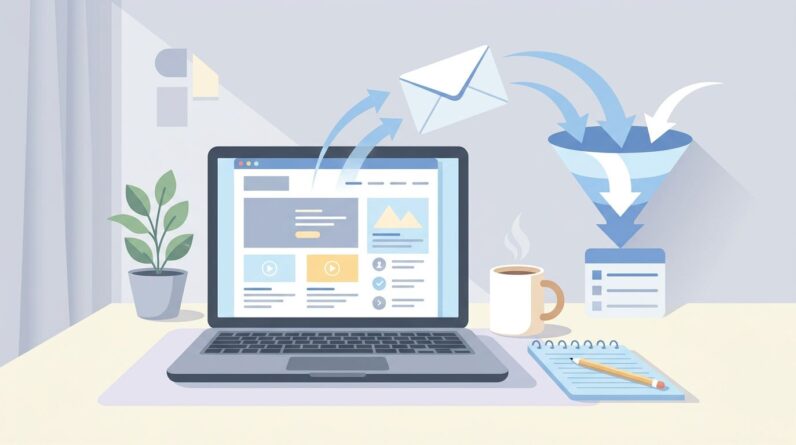
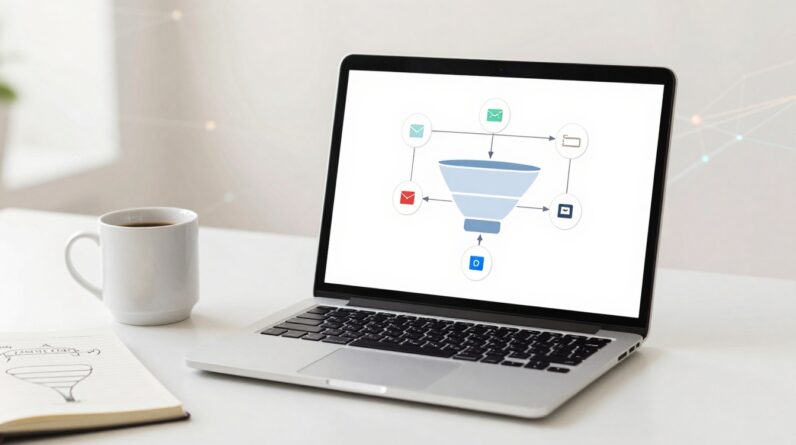
Getting started with email marketing is easier than you might think, and it pays off in ways social media can’t match. When you own your email list, you control how and when you reach your audience, without worrying about platform changes or algorithms. Building your list from scratch puts you in direct contact with people who want to hear from you, helping you grow trust and drive real results for your business.
In this guide, you’ll learn why your email list is a powerful asset and how you can start growing yours, even if you’re starting with zero subscribers. Each step will set you up to connect with your audience, build stronger relationships, and create marketing you own and control.
Understanding the Value of an Email List
Your email list is more than just a count of names. It acts as a direct line between you and your audience, one that you fully own and control. When you focus on growing your list, you’re building a solid base for future growth, targeted marketing, and real business results. Let’s look at the main reasons why your own email list is such a valuable business asset.
Direct Access and Audience Ownership
With your own email list, you never have to depend on a third party to reach your followers. Unlike social platforms, where content can get buried, your emails land right where your subscribers spend their time—their inbox.
- You own your audience, not a platform or algorithm.
- Send updates when you choose, without worrying about sudden rule changes.
- You know exactly who is interested in your content. Every email address represents real permission from someone to connect.
By owning your list, you build trust and deeper relationships. Each name is someone who wants to join your community. This creates a strong foundation for long-term business growth.
Higher Engagement and Conversion Rates
Emails often outperform social posts when it comes to clicks, opens, and sales. People check their inboxes for updates that matter, so your message gets more attention.
- Subscribers are more likely to act on your messages, whether that means clicking a link, signing up, or making a purchase.
- Personalizing emails (using names or segmenting based on interests) increases engagement.
- You’re sending messages to people who asked to hear from you, so you avoid wasting time and money reaching the wrong crowd.
If you want to see real results—like higher sales or signups—your email list is your best bet. It keeps your core audience close and engaged.
Mitigating Platform Dependency Risks
Relying on social media alone is risky. Platforms change all the time, and what works today might not work tomorrow. Rules shift, reach drops without warning, and sometimes accounts get suspended out of nowhere.
With your own list:
- You never lose your customer base to outside changes.
- It’s easy to move your list between services if you need to.
- Your business always has a way to connect with people, even if a social site disappears overnight.
Think of your email list as insurance for your business. It gives you control and flexibility, so you’re never at the mercy of someone else’s rules. Growing it now will pay off for years to come.
Laying the Foundation: Preparation and Tools
Before anyone joins your future list, it’s important to get your tools and systems in order. Preparation sets you up for smooth growth and lets you avoid mistakes that cost time or even get you in trouble. Here’s what you’ll need to tackle before signing up your very first subscriber.
Choosing an Email Marketing Platform
The first big decision is picking an email service provider (ESP). This tool will help you collect signups, manage contacts, and send campaigns with ease. The right platform can save you hours and give you the key features you’ll rely on as your list grows.
Common options include:
- Mailchimp – Simple to start and scales with you, with a generous free plan.
- ConvertKit – Built for creators and bloggers, with easy automation and tagging.
- Brevo (formerly Sendinblue) – Offers advanced features like SMS and transactional emails.
- MailerLite – Clean interface, solid support, affordable paid plans.
Look for these features when you compare platforms:
- User-friendly signup forms you can embed or link from your site.
- Easy list management (segmenting, tagging, importing).
- Compliance features, like double opt-in and easy unsubscribe.
- Analytics and reporting to see what works.
Most services have a free plan, so you can start testing before spending a dime. Pick what matches your needs now, but check if it can handle more subscribers later.
Understanding GDPR and CAN-SPAM Compliance
Collecting email addresses comes with rules. Legal compliance protects your business and builds trust with your readers. Two main laws you’ll deal with: GDPR (for users in Europe) and CAN-SPAM (for the US).
Here’s what you need to know:
- Get clear permission. Every subscriber must willingly sign up—no adding names without consent.
- Use double opt-in. Confirming subscribers with a follow-up email helps keep your list clean and compliant.
- Make unsubscribing easy. Every email must have a working unsubscribe link.
- Be transparent. Spell out what people are signing up for (like weekly tips, updates, or product news).
- Keep records. Log signup times, IP addresses, and consent statements.
Many email platforms help with these tools by default. Still, it’s smart to know the basics so you avoid issues down the line.
Defining Your Target Audience and Offer
A successful list starts with a clear focus. If you know who you want to reach, you’ll attract the right people and keep them interested. This step shapes your signup forms, welcome emails, and everything that follows.
Break it down like this:
- Narrow your audience. Who do you want on your list? Think about their age, interests, location, and goals.
- Identify their biggest problem or need. What makes them tick? What are they hoping to solve or achieve?
- Create a simple, valuable offer. This could be a free download, checklist, email course, or insider tips series—something that speaks to your ideal subscriber.
For example:
- A fitness coach might offer “7 Easy Workouts for Busy People.”
- A food blogger could share “5 Quick Weeknight Recipes.”
- A local realtor sends a “Moving Checklist.”
When your offer matches what your audience wants, signups feel natural. Write a line or two in plain language that explains exactly what’s in it for them.
Getting these basics right sets you up for quick wins and long-term growth. Now you’re ready to start collecting email addresses with confidence and clarity.
Proven Strategies to Attract Your First Subscribers
Once your foundation is in place, you need smart moves to actually get those first subscribers on your list. It’s all about showing value, making signups simple, and sharing your offer where your audience spends their time. Use these proven strategies to help your list go from zero to your first 100 subscribers, and keep momentum going.
Creating Compelling Lead Magnets
A good lead magnet can turn a casual visitor into a subscriber in seconds. This is your main incentive—something free and useful people get in exchange for their email. The best lead magnets are quick to use, solve a real problem, and feel hard to ignore.
Popular lead magnet ideas include:
- Checklists or cheat sheets (short, actionable, easy wins)
- PDF guides or mini ebooks (helpful tips, step-by-step instructions)
- Email mini courses (a training spread over a few days)
- Resource lists or swipe files (tools, templates, or scripts)
- Access to a private community (Facebook groups, Discord, etc.)
- Exclusive discounts or free trials (for products or services)
When you pick a lead magnet, think about what your audience needs the most right now. Make it super specific—if your offer is broad, it won’t feel valuable. Keep the download easy to access, with clear steps on how they’ll receive it. Make sure you actually deliver what you promise on the signup form.
Optimizing Signup Forms and Landing Pages
Your signup form is where the magic happens. If it’s confusing, slow, or asks for too much, people leave. A well-designed landing page or form makes it quick and risk-free to join your list.
Key tips for better signup forms:
- Keep it short. Ask for only what you need—usually just an email. You can gather more info later.
- Use clear headlines. Say exactly what people get by signing up.
- Add social proof. If you have testimonials or show how many others have signed up, use it.
- Use contrasting buttons. Make your signup button stand out with a bold color and action word (like “Get My Guide”).
- Optimize for mobile. Most signups happen on phones. Test your forms on a small screen.
Consider sending people to a dedicated landing page with one offer, no distractions. This type of focused page can boost signups by 2–3x compared to a generic homepage form.
Using Social Media and Content Marketing
Your audience is likely already active on social platforms or reading your blog. These spots are perfect for sharing your lead magnet and collecting signups.
Ways to share your signup offer:
- Share lead magnet posts on your main social channels regularly.
- Pin a signup post to your profile or use Instagram link stickers.
- Add a call to action in your YouTube video descriptions and podcast episodes.
- Write blog posts that relate to your lead magnet and mention it early in the content.
- Add signup links in your website menu, footer, or about page.
When possible, use visuals—mockups of your guide, checklists, or photos of your community—to draw attention. Make each post about the benefits of joining, not just the features of your lead magnet.
Leveraging Paid Advertising
If you want to speed things up, a small budget for paid ads can get your email list growing faster. Ads help you reach people who might never find your site on their own.
Best spots to run list-building ads:
- Facebook and Instagram. Use simple image or video ads with a clear call to action and direct link to your landing page.
- Google Ads. Target keywords related to your lead magnet for intent-based traffic.
- YouTube pre-roll ads. Short video ads in front of related videos.
Stick to a low daily budget at first. Focus on testing your message and creative until you find what grabs attention. Only promote your best lead magnets—ones that truly solve a problem or give instant value.
In your ad, be straightforward. Let people know why they should sign up, what exactly they’ll get, and how fast. Track your results so you know which ads bring in the most subscribers. Even $5–$10 a day can bring in a steady stream of new signups if your offer hits the mark.
Nurturing and Growing Your List
Getting people to sign up is just the start. The real magic happens when you turn those subscribers into loyal readers who stick around and even bring their friends. List growth isn’t just about numbers. It’s about building trust and building strong relationships that last. If you want fewer unsubscribes and steady growth, take care of your subscribers from day one. Here’s how to keep your list healthy, happy, and expanding.
Welcome Series and Onboarding Emails
Your first emails set the tone for the rest of your relationship. A well-written welcome series is like a friendly handshake, helping new subscribers get familiar with who you are and what they can expect. Don’t leave people hanging after they join—show them you care right away.
Try these tips for your welcome sequence:
- Send a thank you email right after sign up. Be genuine and remind them what they’ll get from you.
- Deliver on your promise fast. If you offered a freebie, make sure it arrives in their inbox without delay.
- Tell subscribers a little about your story. Keep it short and relatable.
- Let them know how often you’ll email and what kind of content they’ll get.
- Ask a simple question or offer a way for them to reply if they want. It makes your list feel personal right from the start.
A welcome series is your chance to reduce confusion and prevent the dreaded unsubscribe. Get this step right and people feel like they made a good choice by joining.
Consistent Value-Driven Communication
People stay on your list if they get value. Think about what makes an email worth opening. Make every email helpful, timely, and easy to read.
How to keep subscribers engaged:
- Stick to a regular schedule. Whether you send once a week or once a month, be consistent.
- Focus on your reader’s needs. Give tips, how-tos, quick wins, or new insights that matter to them.
- Keep your subject lines clear and honest. Don’t trick people just to get an open.
- Use short paragraphs, bold text for key points, and clear calls to action.
- Mix up the content: include stories, sneak peeks, behind-the-scenes updates, or helpful resources.
If you put your readers first and provide actual value, they’ll stay with you and even look forward to hearing from you.
Encouraging Referrals and List Expansion
The best subscribers often come from word of mouth. Happy subscribers love to share helpful things with friends. Tap into that natural energy by making referrals easy and rewarding.
Simple ways to encourage sharing:
- Add a “forward to a friend” link in your emails.
- Offer rewards for referrals, like a bonus freebie or early access to new content.
- Run occasional “refer a friend” contests with small, meaningful prizes.
- Make it easy for subscribers to share your signup page on social media with ready-made posts or images.
To grow your list faster, remind readers now and then that they can help bring in others who’ll benefit too. Show your appreciation when they do—it goes a long way.
A thriving email list always feels like a real community. Pay attention to what your subscribers love, keep delivering useful content, and invite them to play a part in your growth. This simple approach keeps your list active and expanding without feeling forced or fake.
Measuring Success and Refining Your Approach
Building an email list is just the beginning. To keep your list healthy and valuable, you need to know what’s working, what needs fixing, and how to keep improving over time. Tracking results and making smart tweaks gives you a better chance of turning subscribers into loyal fans who stick around.
Key Metrics to Track
If you want to grow your list with purpose, start by measuring more than just the total subscriber count. Numbers don’t lie—and they’ll show you the strong points and gaps in your strategy.
Keep an eye on these email list metrics:
- Open rate
Shows how many people actually open your emails. A healthy open rate means your subject lines grab attention and your list is engaged. If it drops, test different subject lines or send times. - Click-through rate (CTR)
Tracks how many people click your links. If your CTR feels low, look at your content. Clear calls to action and helpful resources can boost this number. - Unsubscribe rate
Tells you if people enjoy your content or just want out. A sudden spike could mean you’re sending too many emails, or your content isn’t matching expectations. - Conversion rate
Measures how many readers complete a key action, like downloading a freebie or buying a product. This is the best signal of real progress and value from your list. - Growth rate
Keeps track of how quickly your list is growing. Are your signups slowing down? Time to mix up your tactics or refresh your lead magnet.
A simple spreadsheet or your email platform’s built-in analytics can track these numbers. Watching the trends month to month helps you catch problems early and spot room for improvement.
A/B Testing Signup and Email Content
Guesswork only gets you so far. The fastest way to boost email list performance is to compare one approach with another—this is called A/B testing. Even the best marketers use A/B tests to learn what subscribers like most.
Test these two key areas:
- Signup forms and landing pages
Try different headlines, button colors, or form lengths. Show half your visitors version A, the rest version B. Watch which version turns more visitors into subscribers. - Email subject lines and content
Send two versions of an email to small groups. Use different subject lines, email opening sentences, or calls to action. See which version people open, click, or reply to more often.
When running A/B tests:
- Change only one thing at a time. This helps you learn exactly what made a difference.
- Let the test run long enough to gather enough results. Don’t rush your decisions.
- Use a clear goal for each test, like increasing clicks or signups by a certain percent.
Over time, small changes will add up. You’ll uncover what subscribers respond to and keep fine-tuning for better results.
Iterating Based on Data Insights
Collecting data is useful only if you act on what you find. Use your email analytics and test results to fine-tune your strategy and stay ahead.
Build a habit of regular review:
- Check your key metrics at least once a month.
- If open rates are low, experiment with subject lines or send times.
- If clicks drop, adjust your calls to action or offer new resources.
- Notice patterns. For example, maybe your Tuesday emails get more replies than those on Fridays.
- If a test clearly wins, roll out the change for everyone on your list.
- Never stop testing—what works today may not work next year.
Think of your email list as a living thing. It grows and changes with your audience. Stay curious, keep improving, and you’ll have a list that delivers value for you and your subscribers.
No matter how big or small your list, these habits keep you moving in the right direction and make success a regular part of your email strategy.
Conclusion
Building your email list from zero is a step-by-step process that pays off over time. Start with the right tools, keep your offer clear, and focus on giving your subscribers real value. Stay patient and consistent as you grow—results take time, but the effort is always worth it.
Every name you add is someone choosing to hear from you. Stick with it, keep learning, and watch your email list become an asset you can count on. Ready to get started? Take that first step today and see where it leads. Thanks for reading—feel free to share your progress or questions below.