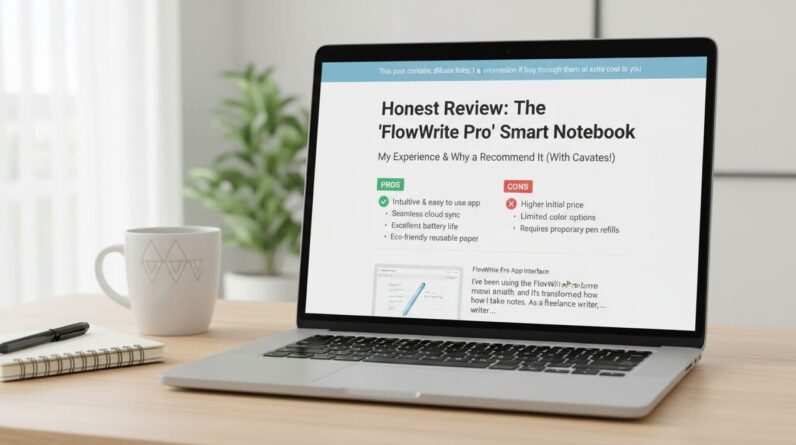
Most affiliate marketing content still chases clicks with deceptive practices like hype, fake scarcity, and glowing reviews. That used to work. It does not anymore.
Buyers prioritize consumer trust; they read reviews, compare bloggers, and even drop claims into AI tools to see if they hold up. In that world, ethical transparency is not just “nice to have”. It builds trust, the reason someone chooses your link over a dozen others.
Clear disclosures, real use stories, and honest downsides now demonstrate integrity and convert better than any manufactured countdown timer with affiliate links.
What Ethical Transparency Really Means in Affiliate Marketing Today
Ethical transparency in affiliate marketing is simple. You tell people you may earn a commission through your affiliate relationships, you share what actually happened when you used the product, and you do not hide who it is wrong for.
It is more than a tiny line buried in your footer. Transparency shows up in how you write headlines, how you frame benefits, and how clear you are about limits.
You act like a coach, not a hype person. That means you give enough information for a smart friend to decide whether to buy, even if that means fewer short-term clicks.
Clear Affiliate Disclosures in Ethical Affiliate Marketing that Readers Can Actually See
Put an easy-to-read, clear and conspicuous disclosure at the top of your post and near your key links to meet disclosure requirements. This keeps you aligned with rules like the Federal Trade Commission (FTC) guidelines, ensuring compliance, regulatory compliance, and consumer protection while avoiding legal consequences. You have nothing to hide.
Modern readers already know what affiliate links are. When you try to hide them, they feel tricked and click away. When you are direct about affiliate marketing, you focus on building trust, and trust keeps people reading.
Honest, experience-backed reviews instead of copy and paste promos
People can tell when you copied the product page. What converts now is lived or well-researched experience.
Use the tool, show screenshots, share a quick story of how you used it, and admit real pros and cons. When readers see that you understand the product, they feel safer buying through you. Safer buyers click more, refund less, and come back the next time you recommend something.
Why Authentic, Honest Reviews Now Convert Better Than Hype
In today’s affiliate marketing landscape, we swim in fake reviews, sponsored posts, promotional content, and AI-written content. People know that. So they look less at your adjectives and more at your transparency. In that setting, Trust is a conversion metric just like click-through rate.
Audiences fact check everything (and can spot fakes fast)
Our audience compares multiple blogs, scans Reddit threads, and reads app store reviews. Some even copy your claims into AI tools to check for patterns or bias.
When your post screams hype or does not match what real users say, you lose the sale and damage your brand reputation. When your honest recommendations, backed by authenticity from well-researched experience, line up with outside feedback, you foster consumer trust, so people feel you are on their side, and they click and buy with confidence.
Trust signals that quietly boost click through and sales
Simple trust signals work well for building trust:
- Your own photos or screen captures
- A short story about what did not work
- Clear notes on who should buy and who should skip
- Links to case studies, data, or user reviews of affiliate programs
These clear and conspicuous signals lower the feeling of risk. That means fewer bounces, more clicks, and more completed checkouts.
How To Use Ethical Transparency To Increase Your Affiliate Conversions

In affiliate marketing, treat transparency like a system, not a slogan. Start small, but be consistent. This approach ensures compliance with disclosure requirements.
Choose partners and products you can genuinely stand behind
In ethical affiliate marketing, build strong affiliate relationships by only promoting advertisers/brands and products you would suggest to a close friend. Test the product when you can, or study long-term user feedback if you cannot.
Watch refund rates and complaints. If an offer keeps upsetting your audience, drop it, even if the commission looks great. Protecting your brand reputation through ethical practices and trust is the real high-ticket move.
Share real use stories, comparisons, and honest downsides
Add short stories of how you used the product in real life. Create simple, side-by-side comparisons of affiliate programs instead of calling one tool “the best” with no context.
Deliver honest recommendations by pointing out who should not buy. Turning away bad-fit buyers raises your overall conversion rate over time, because people learn that your affiliate links are safe to click. This leads to sustainable revenue growth.
Final Takeaways On Making Ethical Transparency Your Top-Converting Affiliate Strategy
In a season of AI content and fake hype, ethical transparency in affiliate marketing stands out. Upholding integrity through clear disclosures that support Federal Trade Commission (FTC) regulatory compliance, real experience, and honest limits filters out the wrong buyers and attracts the right ones, including premium advertiser/brands. That is how transparency drives higher conversions and repeat commission sales without eroding trust.
Take one concrete step today in affiliate marketing. Pick two or three affiliate posts, add stronger disclosures to meet disclosure requirements, update the review with real pros and cons, and remove any fake urgency. Treat every edit as a long-term investment in your audience’s trust for long-term success.