You send someone to a product because you’re making a promise: “This link solves your problem.”
Then the shopper lands on an out-of-stock page and hits the back button like they touched a hot stove.
One dead link can undo weeks of trust.
If you’re building an out of stock affiliate strategy, the goal isn’t to “save” every sale with tricks.
It’s to keep the click useful, even when inventory changes overnight.
That means three things: swap rules, fallbacks, and an update schedule you can actually stick to.
Start with swap rules that protect the click

Think of swap rules like a substitute teacher plan.
If you’re not there, the class still runs because the instructions are clear.
Same idea here: when a product sells out, your system should know what “good enough” looks like without guessing.
A strong swap rule keeps the shopper in the same buying mindset.
You’re not sending them from “running shoes for flat feet” to “random shoes on sale.”
You’re keeping the intent intact.
Your swap rule checklist (keep it simple)
Use 3 to 5 rules, max. More than that, and you’ll stop following your own system.
- Match the job first: same purpose and use case (what problem it solves).
- Stay close on price: pick a tolerance you can defend (example: within 15 percent).
- Keep the quality signal: ratings, warranty length, or a known brand tier (whatever your audience cares about).
- Avoid “looks similar” traps: color and shape don’t matter if the feature set changes.
- Set a time trigger: if it’s out of stock for X days with no restock date, swap it.
A practical way to run this is a “primary, secondary, backup” setup per product:
Primary link is your best pick.
Secondary is the closest match at a second merchant.
Backup is a best alternative that still fits the article’s promise.
One more thing: your swaps should be visible in your content, not hidden.
If your copy says “under $50” and the swap sends them to $79, you didn’t just lose a click, you lost confidence.
Use smart fallbacks when every option is sold out
Sometimes the whole market is dry.
Holidays, viral products, supply hiccups, it happens.
The mistake is forcing a swap that doesn’t fit, just to “keep monetizing.”
That’s how you turn a helpful post into a bait-and-switch.
This is where fallbacks save you.
A fallback is the page you send people to when the exact product (and close substitutes) aren’t available.
Done right, it still helps the reader take action today.
If you also care about long-term traffic from search, this topic overlaps with how stores handle availability.
The strategies are different for affiliates, but the underlying idea is similar: keep the page useful, don’t create dead ends.
This guide on temporarily out-of-stock products and SEO explains the customer and search side of the problem in plain terms.
Three fallback destinations that still convert
A “best alternatives” page on your site: This is the cleanest option. You control it, you can update it fast, and you can keep the promise of your original content. Make it tight: 3 to 7 picks, each with one clear reason it’s there.
A category page with filters applied: If your audience just wants “the best X,” a category page can work (especially if you pre-filter by key specs). The risk is overload, so add a short sentence before the link telling them what filter matters most.
A waitlist or deal alert: If the product is worth waiting for, offer a simple email alert. Just be honest: tell them it’s out right now, and you’ll notify them when it returns or when a similar option drops in price.
When you write fallback copy, keep it calm and direct.
A single line does the job:
“This item sells out often. If it’s unavailable, these in-stock options match the same use case.”
That sentence keeps the reader moving forward instead of feeling like they hit a wall.
Set an update schedule that keeps links fresh
Out-of-stock problems don’t get solved by a one-time cleanup.
They get solved by rhythm. If you check links only when someone complains, you’re always late.
Start by sorting your content into three tiers:
A simple tiered checking routine
- Top earners (daily or every 2 to 3 days): These are your money pages and your highest-click posts. If an offer dies here, you feel it fast.
- Steady traffic posts (weekly): Posts that rank, get consistent clicks, and send buyers regularly.
- Long-tail library (monthly): Older content that still gets search traffic, but not enough to justify constant checks.
For each tier, you’re checking four things:
- Stock status (in stock, backorder, discontinued)
- Price drift (did it jump enough to break your promise?)
- Page quality (is the landing page still the right product, not a bundle or a variant?)
- Merchant trust (shipping time, returns, obvious low-quality reseller pages)
If you want extra guardrails, borrow ideas from store-focused playbooks like these out-of-stock strategy tips and adapt them to your links and content workflow.
For a more technical view of how out-of-stock pages affect visibility, this guide on managing out-of-stock product pages for SEO can help you think through what happens when pages vanish or get redirected.
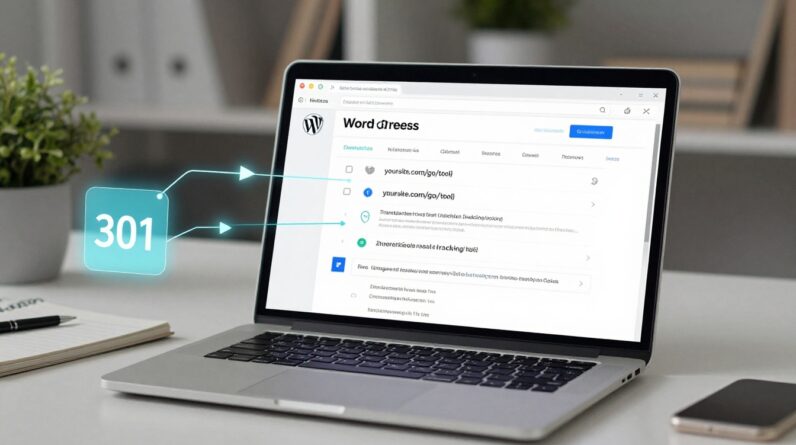
To make the schedule realistic, track your affiliate links through one “hub” link (a redirect or link manager you control).
That way, updating a destination doesn’t require editing 40 blog posts.
If you’re still building your foundation, pair this system with a simple publishing routine so your traffic keeps growing while you maintain older links.
This step-by-step guide to earning $500 in 30 days with affiliate marketing fits well with a maintenance-first mindset.
Keep commissions steady when items sell out
Out-of-stock moments are where you prove you’re actually helpful.
Set clear swap rules, use fallbacks that still solve the problem, and run a schedule you can keep on autopilot.
Once this is in place, your out of stock affiliate links stop being fragile, and your content holds up through inventory swings.
The next time a product sells out overnight, you won’t scramble, you’ll just let your system do its job.