Affiliate marketing opens the door to earning money online, and you don’t need a website to get started. Many believe you need a blog or landing page to be successful, but that’s simply not true. Plenty of people grow their income by sharing affiliate offers through email, social media, forums, and other creative ways.
If you’re looking for practical methods to boost your affiliate earnings without building a site, you’re in the right place. This post runs through proven strategies you can use right now, no website required. Let’s clear up myths and set you up with simple steps to get clicks and commissions your way.
Leveraging Social Media Platforms for Affiliate Promotion
Social media is a goldmine for promoting affiliate offers if you know how to play your cards right. You can reach thousands, even millions, without ever touching a website. Each platform has its own style, but the key is the same: connect, build trust, and keep things real. Let’s break down the smart ways to get your affiliate links out there on Facebook, Instagram, TikTok, and Twitter—and actually get clicks.
Building a Niche Audience on Social Media
A strong, interested audience comes before any link drops. People need a reason to follow you, and that reason should match the products you promote. Pick a niche and stick with it. This could be anything—fitness tips, makeup finds, tech gadgets, or even quirky kitchen tools.
- Create profiles that clearly show your focus. Use keywords in your bio and posts.
- Join and take part in groups or conversations. On Facebook, that means joining niche groups. On Twitter, use hashtags. On TikTok and Instagram, comment on related creators’ content.
- Post regularly with value-first content. Share tips, how-tos, reviews, and “behind the scenes” looks.
- Engage back. Respond to comments and messages so people know you aren’t just there to sell.
The more people see you as a real fan of the topic, not just a seller, the more likely they are to trust your recommendations.
Using Stories, Reels, and Live Sessions to Highlight Offers
Short-form and live video content grabs attention and helps your audience see real results from products.
- Stories on Instagram and Facebook allow you to share affiliate links in a casual way. Use polls, questions, or countdown stickers—these boost interaction and make your offers pop up more often in followers’ feeds.
- Reels and TikToks are made for quick demos or before-and-after results. Keep things snappy (under a minute), show the product in action, and add overlays or captions.
- Live sessions build connection. Host a live Q&A about your favorite products, unbox new items, or show how something works. This creates trust and gets more people clicking your links.
Platforms reward this kind of content by showing it to more users. That means more eyes on your affiliate offers.
Posting Value-Driven Content With Subtle Affiliate Promotion
People scroll past hard sells. The secret is to give value first, weave in your affiliate link second. When your audience gets real help, tips, or laughs from your posts, they see you as a resource, not just another promoter.
Ways to add value and promote affiliates seamlessly:
- How-to guides: Show how to solve a problem with a product. List steps and share your affiliate link at the end.
- Personal reviews: Share honest experiences—the good and the bad. People trust transparency.
- Lists and round-ups: “Top 5 must-have kitchen tools,” “3 books that changed my mindset,” and so on.
- Seasonal recommendations: Tie offers to holidays or trending events.
Always choose posts that match your usual style. If your content feels forced, your followers will pick up on it.
Complying With Platform Policies and Disclosures
Affiliate rules are serious. Each platform has its own guidelines about posting links and affiliate promotions. Breaking them can get your account shut down.
- Always disclose when a link is an affiliate link. Use clear language like “affiliate link” or “sponsored” in your post, story, or bio.
- Review platform rules. For example, Instagram now allows links in stories for all users, but TikTok restricts links in bios for some accounts. Facebook groups may ban direct promotion.
- Don’t spam. Spread out your promotion posts and mix them with regular, non-promotional content.
- Use built-in tools. Instagram, Facebook, and TikTok have specific disclosure stickers or tags. Use these features so your posts stay compliant and transparent.
Being upfront about promotions keeps your reputation clean and helps you build lasting trust. Clear, honest disclosure protects you and helps your audience know exactly what they’re getting.
Utilizing Email Marketing Without a Website
Email marketing works even if you don’t have your own website. You can build an email list, send out affiliate offers, and create a steady stream of income by using the right tools and tactics. Here’s how you can set up a professional email strategy from scratch with only third-party services and a smart approach.
Choosing an Email Service Provider
The first step is picking an email service provider that’s friendly to affiliates. Not all email tools allow affiliate links, so you need to check their terms before signing up.
Some popular options that work well for beginners and offer free plans include:
- Mailerlite: Their free plan lets you send automated emails and build simple opt-in pages. They allow most legal affiliate marketing, but always double-check their terms.
- ConvertKit: Known for easy automation and decent deliverability, ConvertKit lets you create quality opt-in forms and sequences. They’re clear about affiliate offers in emails.
- AWeber: Another user-friendly choice that’s been used for affiliate marketing for years.
Look for these features when evaluating a provider:
- Simple drag-and-drop builder for forms and emails
- Automated sequences (so you can “set it and forget it”)
- Good deliverability rates (so your messages hit the inbox, not spam)
Stick with tools you find easy to use. You want your focus on your message, not getting lost in tech headaches.
Crafting Lead Magnets and Landing Pages
If you want people to sign up for your emails, you need a lead magnet. This is a free resource you give away in exchange for someone’s email address. You don’t need a website to host it; many email providers let you host opt-in forms and landing pages right on their platform.
Types of lead magnets that convert:
- Short checklists or cheat sheets
- Free mini-ebooks focused on a problem and its solution
- Discount codes or free samples (direct from your affiliate partners)
- Mini email courses
To build your landing page or opt-in form:
- Use your email provider’s built-in landing page creator (most let you do this, even on the free tier).
- Write a headline that promises a clear benefit.
- Add a few bullet points about what people get by signing up.
- Include your form—first name and email are enough.
Once someone signs up, their email goes straight into your list. From there, you can start sending out your affiliate offers.
Writing High-Converting Affiliate Emails
The money is in the list, but only if you send emails people want to open and read. Your emails should feel like helpful advice from a friend, not just another sales flyer.
Keys to writing emails that convert:
- Start with a catchy subject line (short and direct works best).
- Open with a story, tip, or quick solution. Make it feel personal.
- Share useful information about the affiliate product—real benefits and why you recommend it.
- Add a call to action with your affiliate link. Keep it simple like “Check it out here” or “See the deal.”
- Mix in pure value emails with no links to keep trust high.
Don’t oversell or stuff every message with links. Aim for balance—3 emails with tips to 1 email with an offer is a solid rhythm for most lists.
Maintaining Compliance With CAN-SPAM and Affiliate Policies
It’s important to follow the rules when sending promotional emails. The CAN-SPAM Act is a set of US laws that protect people from spammy, misleading, or unwanted messages. Most countries have their own versions too.
Follow these best practices:
- Include your physical mailing address at the bottom of every email. Most providers make this easy.
- Give readers a clear way to unsubscribe in every message (again, most tools automate this).
- Never use misleading subject lines or fake sender names.
- Clearly disclose when you’re sharing an affiliate link or promoting a product for money. Simple wording works: “If you buy through my link, I may earn a commission.”
Also, check the rules from each affiliate program you join. Some companies don’t allow affiliates to promote their offers by email, while others welcome it. Always read the terms to be safe.
When you stay honest and make it easy to opt out, you build trust with your list—and avoid getting into legal trouble later on.
Promoting Affiliate Offers on Forums, Communities, and Q&A Sites
You don’t need a website to find buyers for your affiliate offers. Niche forums, online communities, and popular Q&A sites can send steady traffic your way if you use them wisely. These places are packed with people asking questions and looking for advice, which means real chances for you to share helpful info and your affiliate links—without looking spammy.
Finding the Right Niche Forums and Communities
Start by searching for forums and communities focused on your product’s main topic. The tighter the focus, the better—people who visit are often serious about finding answers or new products.
Top places to look:
- Dedicated forums related to your niche (for example, bodybuilding forums if you promote fitness supplements)
- Facebook groups and Reddit communities (subreddits with active users)
- Q&A sites like Quora or Stack Exchange where people ask for advice or product tips
Spend a little time to check each group’s activity level and rules. Look for active threads, regular posts, and lots of helpful responses. Avoid dead or low-engagement forums that feel empty or abandoned.
Providing Value and Building Credibility
Before you post any links, be helpful first. People trust recommendations from those who know their stuff, not random strangers dropping product links.
Ways to build trust:
- Answer questions thoughtfully. Share your experience, give details, and avoid short, generic replies.
- Offer tips, guides, or solutions—even when you aren’t linking anything specific.
- Share free resources, explain tricky concepts, or point out common mistakes.
When people see that you know your topic and genuinely want to help, they’re more likely to listen—and click—when you mention a product or service.
Strategically Sharing Affiliate Links in Responses and Resources
Direct linking to affiliate offers rarely works if it feels forced. Instead, make your link the next step after real value.
Here are ways to add links without looking spammy:
- Answer a question fully, then mention a product that helps as a natural part of your solution. For example: “If you want faster results, I found [this product] helpful for me—here’s the link.”
- If the community allows, create detailed resource posts, guides, or lists with several helpful items. Weave your affiliate offer into a roundup so it blends in with other suggestions.
- Use Q&A sites (like Quora) to share long, helpful answers. Drop your affiliate link as a reference only when it clearly fits and adds something useful.
Choose affiliate products that truly fit the question or conversation. Avoid vague or off-topic links; these can get you ignored or reported.
Staying Within Community Guidelines and Avoiding Bans
Every forum or community has its own rules for affiliate links. Break them, and you risk getting banned without warning.
Keep these steps in mind:
- Read each site’s posting rules and search for any mention of affiliate links or promotions.
- Some communities let you include links in your profile or a resource section, not in every post.
- Be upfront: if you share an affiliate link, add a small, honest note like, “This is my affiliate link, and I may earn a small commission if you buy.”
- Mix your link posts with regular, link-free interactions. Share your knowledge, join discussions, or post updates that have nothing to do with promotion.
Getting banned can mean losing your audience and hard work overnight. By playing by the rules and focusing on helpful advice first, you’ll stand out as someone worth listening to—and your affiliate offers will get more clicks over time.
Leveraging Content Platforms: YouTube, Podcasts, and Medium
You don’t need your own website to reach people with affiliate offers. Platforms like YouTube, podcasts, and publishing sites like Medium give you the tools to build trust, grow your reach, and earn commissions. These channels make it easy to connect with an audience that prefers watching videos, listening to discussions, or reading helpful articles. Here’s how you can use each platform to share affiliate products in a way that feels real, fresh, and helpful.
Creating and Optimizing YouTube Videos for Affiliate Products
YouTube is a powerful way to build trust and show products in action. People use YouTube to learn, solve problems, and get advice from creators they trust.
Get started by:
- Picking products that solve real problems or fit your interests.
- Making videos like product reviews, comparisons, tutorials, or “best of” lists.
- Showing yourself using or testing the product. If you can’t, use images, explainer slides, or demos.
Boost your results by:
- Using keywords in your video title, description, and tags that match what your audience searches for.
- Adding affiliate links and clear disclosures in the video description—YouTube lets you put these links right under the video.
- Telling viewers where to find the link (“Check the description for the link!”).
Tips to stand out:
- Keep videos focused. Shorter clips (5-10 minutes) work well for most reviews and how-to’s.
- Use clear, friendly language that matches your audience’s style.
- Add honest pros and cons so people see you as trustworthy.
- Reply to comments and build a real connection.
YouTube rewards consistency. Post regularly, look at what videos do best, and make more of what your viewers love.
Promoting Affiliate Offers Through Podcasts
Podcasting lets you build a steady connection with listeners. If you enjoy talking or storytelling, it’s a strong way to share affiliate products without a website.
Ways to fit in affiliate offers:
- Share personal stories about how you use products.
- Interview guests who use the product or can talk about its benefits.
- Run honest “sponsor spots” at the start or middle of episodes. Keep it natural, like telling a friend about a discovery.
How to get more results:
- Pick products that fit your podcast’s topic and listeners’ interests.
- Use short, memorable URLs for your affiliate links. Services like Bitly or Pretty Links help.
- Add affiliate links and disclosures in the show notes—most podcast apps show these to listeners.
Podcast tips:
- Keep it relaxed and conversational. Imagine you’re talking to one person.
- Balance value with promotion. Most of your episode should help, entertain, or inform.
- Remind listeners where to find links (“Check out our show notes for today’s deals”).
Consistency helps podcasts grow. Release episodes on a regular schedule and invite feedback or questions about the products you mention.
Writing Articles on Medium and Other Publishing Sites
If you love to write, Medium and similar platforms are a direct way to share helpful articles with a large audience—no website required.
Getting started:
- Choose topics people care about, such as “How to solve X problem” or “My honest experience with Y product”.
- Mix personal stories and practical tips. Readers trust real-life examples more than sales copy.
- Write roundups (“Top 5 budget gadgets for students”) or step-by-step guides that gently include your favorite affiliate products.
Optimize your articles:
- Use keywords in your title and subheadings so your article pops up in searches.
- Put affiliate links with simple, honest disclosure at the first mention and end of your post. Phrases like “I get a commission if you buy through my link—at no extra cost” work well.
- Add value: give real pros and cons, or compare different options.
Extra ways to boost your reach:
- Publish on platforms with built-in audiences like Medium, Substack, or Quora’s blog feature.
- Share your articles on your social profiles, adding a context or question to spark engagement.
- Ask readers to leave comments or share the post if they found it helpful.
When your advice feels real and your recommendations are honest, people come back for more—and often, they’ll use your affiliate links too.
Maximizing Results With Paid Advertising and Tracking
Paid advertising can help you get eyes on your affiliate offers faster than almost any other method. It works especially well when you don’t have a website, because you can send traffic straight to your affiliate links or offer pages. To really make it count, you need to pick the best ad platforms, write attention-grabbing ads, and use smart link tracking so you know what’s actually working. Here’s how to make every dollar count with paid ads—even if you’re just getting started.
Choosing Paid Platforms for Affiliate Promotion
There are plenty of paid ad platforms, but not all of them are friendly to affiliate marketers. Some allow direct affiliate links, while others have restrictions. The trick is to pick the right channel for your budget and audience.
Popular choices include:
- Social Media Ads (Facebook, Instagram, TikTok): These platforms have millions of daily users and let you target ads by age, location, interests, and more. If your offer lands with a younger or social crowd, start here.
- Native Ads (Outbrain, Taboola, MGID): Native ads look like part of the content on news sites or blogs. They blend in, which can get more clicks. These platforms are better for broader, curiosity-driven offers.
- Google Ads: Highly targeted, but direct affiliate links are often not allowed. You can get around this by promoting products with approved ad formats, or focusing on brand terms.
- Reddit and Pinterest Ads: Great for niche products or visual offers. Reddit users value authenticity, while Pinterest is strong for anything visually appealing.
Pro Tip: Before you launch, always check the ad platform’s latest policy on affiliate links. Some will block your ads if you link straight to an affiliate offer, so review their terms to avoid trouble.
Writing Effective Ad Copy for Affiliate Products
You have just seconds to catch interest. Plain, spammy ads get ignored or flagged. The best ads speak directly to a need or problem, hint at a solution, and make it easy to act.
Keys to stronger ad copy:
- Speak to a real problem your audience faces.
- Highlight the main benefit or result. Simple, bold claims work well if they are true.
- Use direct and clear language. Skip the fluff; keep it clean.
- Include a call to action like “Try it now,” “Get your free trial,” or “See how it works.”
- Show proof if you can—star ratings, quick testimonials, or photos.
Examples of phrases that work:
- “Tired of back pain? See what helped me finally sleep better.”
- “Save 40% on trending kitchen tools—today only.”
- “Busy mornings? This blender can have breakfast ready in 60 seconds.”
Test several ads at once. Start with two or three versions of your copy and see what gets the best reactions. Most platforms make it easy to compare performance.
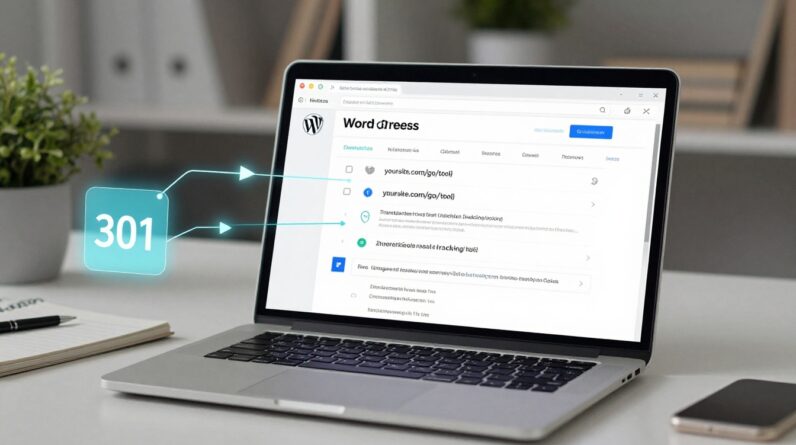
Using Link Cloakers and Trackers for Better Conversion Insights
Running paid ads without tracking is like driving with your eyes closed. You need to know which clicks turn into sales, and which ads or audiences are just burning your money.
Link cloakers and trackers help you:
- Clean up long, ugly affiliate links. People are more likely to click short links they trust.
- Track every click and where it came from, so you know what’s working.
- Split-test (A/B test) offers and landing pages if you want to run experiments.
- Stay compliant with some ad platforms that don’t allow obvious affiliate links.
Popular tools:
- Bitly: Free and easy, shows basic click stats, good for social ads.
- Pretty Links: WordPress users like this, but you don’t need a website—a friend can help set it up if needed.
- ClickMeter and Voluum: These paid tools give you full stats, conversion rates, and tracking by device or location. Perfect if you start spending more on ads.
How to use link tracking effectively:
- Create unique tracking links for each ad, offer, or audience.
- Watch which links get the most clicks and sales.
- Kill off ads or audiences that waste money, and scale up what gets real results.
- Use clear, honest disclosures even with cloaked links to keep trust high.
If you run paid traffic without tracking, you’ll waste cash guessing what works. With the right tracking tools, you can spot winners, fix losers fast, and squeeze the most from every ad dollar.
Conclusion
Promoting affiliate offers without a website is not only possible, it can be highly effective with the right approach. Focus on sharing real value through channels like social media, email, forums, and content platforms, always putting helpfulness ahead of sales. Stay true to your style and let your personality shine so people know they can trust you.
Pay attention to the rules on each platform and always disclose your affiliate links clearly. Being upfront protects your reputation and helps you build lasting connections with your audience. Choose the methods that feel most natural to you—whether that’s video, writing, or conversation—and match the style to where your audience hangs out.
Pick one or two strategies and give them your best effort, instead of spreading yourself thin. The key is to bring real solutions and stay consistent. Thanks for reading and good luck with your affiliate journey—if you’ve found these tips helpful, share your favorite strategy or connect for more ideas in the comments!